


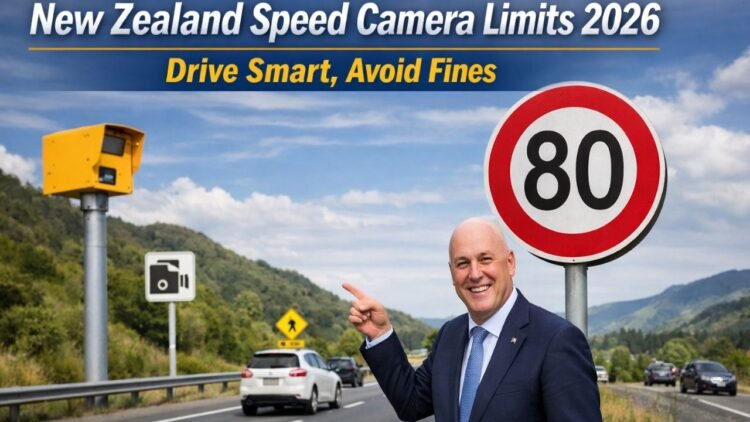
In 2026, New Zealand’s speed camera rules are stricter and more widespread than ever. With new camera technology and updated fines, drivers need to understand how speed cameras work, the latest penalty amounts, and safe driving practices to avoid getting fined.
This guide explains all the important details you need to know to stay safe and legal on New Zealand roads this year.
What Are Speed Cameras and How They Work in 2026
Speed cameras, also known as safety cameras, are automated systems that detect vehicles exceeding the posted speed limits. They include:
- Fixed cameras at high-risk intersections and highways.
- Mobile cameras patrolling urban and rural areas in cars or SUVs.
- Average-speed cameras on long stretches of road that calculate your speed between two points.
These cameras operate 24/7, and in 2026, most fines are issued digitally, meaning drivers may receive an infringement notice quickly, often via post or online notification.
Updated Speeding Fines for 2026
The fines in New Zealand are progressive, based on how far above the speed limit you were driving. Repeat offenders or excessive speeding may face license suspension or court action.
| Speed Over Limit (km/h) | Fine Amount (NZD) | Notes |
|---|---|---|
| Up to 10 | $30 | Minor exceedances |
| 11–15 | $80 | Moderate speeding |
| 16–20 | $120 | Noticeable offence |
| 21–25 | $170 | Higher penalty |
| 26–30 | $230 | Significant fine |
| 31–35 | $300 | Large fine bracket |
| 36–40 | $400 | Severe over-limit |
| 41–45 | $510 | Near maximum standard fine |
| 46–50 | $630 | Maximum standard camera fine |
| Over 50 | Court action possible | Severe offence |
Important: Speeding in school zones, work zones, or construction areas often results in higher fines or additional penalties.
How Cameras Are Used
In 2026, fixed and mobile cameras are deployed across towns, highways, and high-risk areas. Mobile units patrol roads where fixed cameras aren’t present. New drivers may receive warning notices when a camera is first installed or speed limits are updated.
Most fines are issued automatically, and vehicle owners are responsible for identifying the driver if necessary.
Tips to Avoid Speeding Fines
To drive safely and avoid fines in 2026:
- Always follow posted speed limits on all roads.
- Be extra cautious in school zones, work zones, and construction areas.
- Keep your vehicle and driver contact details updated with authorities.
- Watch for new camera locations and adjust your speed accordingly.
- Use navigation or car alerts (legally permitted) to be aware of known speed camera zones.
The 2026 speed camera rules in New Zealand make roads safer and enforce compliance through digital systems and widespread monitoring.
By understanding how cameras operate, the latest fines, and safe driving practices, drivers can avoid penalties and contribute to road safety. Staying alert, following speed limits, and keeping information updated is key to driving legally and safely this year.
FAQs
Do speed camera fines include demerit points?
No, most speed camera fines do not carry demerit points, but other police-issued offences may.
Are speed cameras active all the time?
Yes, they operate 24/7, including nights, weekends, and holidays.
What if I was not the driver?
Vehicle owners can usually transfer liability to the actual driver through the proper authorities.